For many organizations, financial operations exist as a collection of disconnected processes managed through spreadsheets, legacy systems, and manual workflows. This fragmentation creates inefficiencies, delays, and visibility gaps that impact everything from cash flow Manage bills and invoices natively on Salesforce ↗ to strategic decision-making. However, businesses already using Salesforce have a significant advantage: access to a powerful suite of tools that can transform financial operations from a necessary burden into a strategic asset. By leveraging Salesforce's native capabilities and integrated financial applications, companies can create a unified financial ecosystem that enhances efficiency, improves accuracy, and provides real-time insights into financial performance.
Creating a Unified Financial Ecosystem
The first step toward optimized financial operations involves breaking down data silos that separate financial information from other business functions. Salesforce serves as an ideal platform for this integration, providing a centralized environment where financial data connects seamlessly with sales, service, and customer information. This unified approach means accounts receivable can view complete customer payment history while managing collections, and accounts payable can access contract terms and purchase orders when processing vendor invoices. By eliminating the need to switch between systems and manually reconcile data, organizations reduce errors, improve efficiency, and ensure everyone operates from a single source of truth.
 ### Automating Core Financial Processes
Salesforce's workflow automation capabilities provide powerful opportunities to streamline routine financial tasks. Organizations can implement automated invoice generation triggered by closed opportunities, eliminating manual data entry and ensuring billing accuracy. Approval processes for expenses, vendor payments, and budget adjustments can be automated with configurable rules that route requests to the appropriate stakeholders based on amount, department, or other criteria. These automated workflows not only accelerate processing times but also enforce compliance with organizational policies and maintain complete audit trails for every transaction.
Enhancing Financial Visibility Through Dashboards
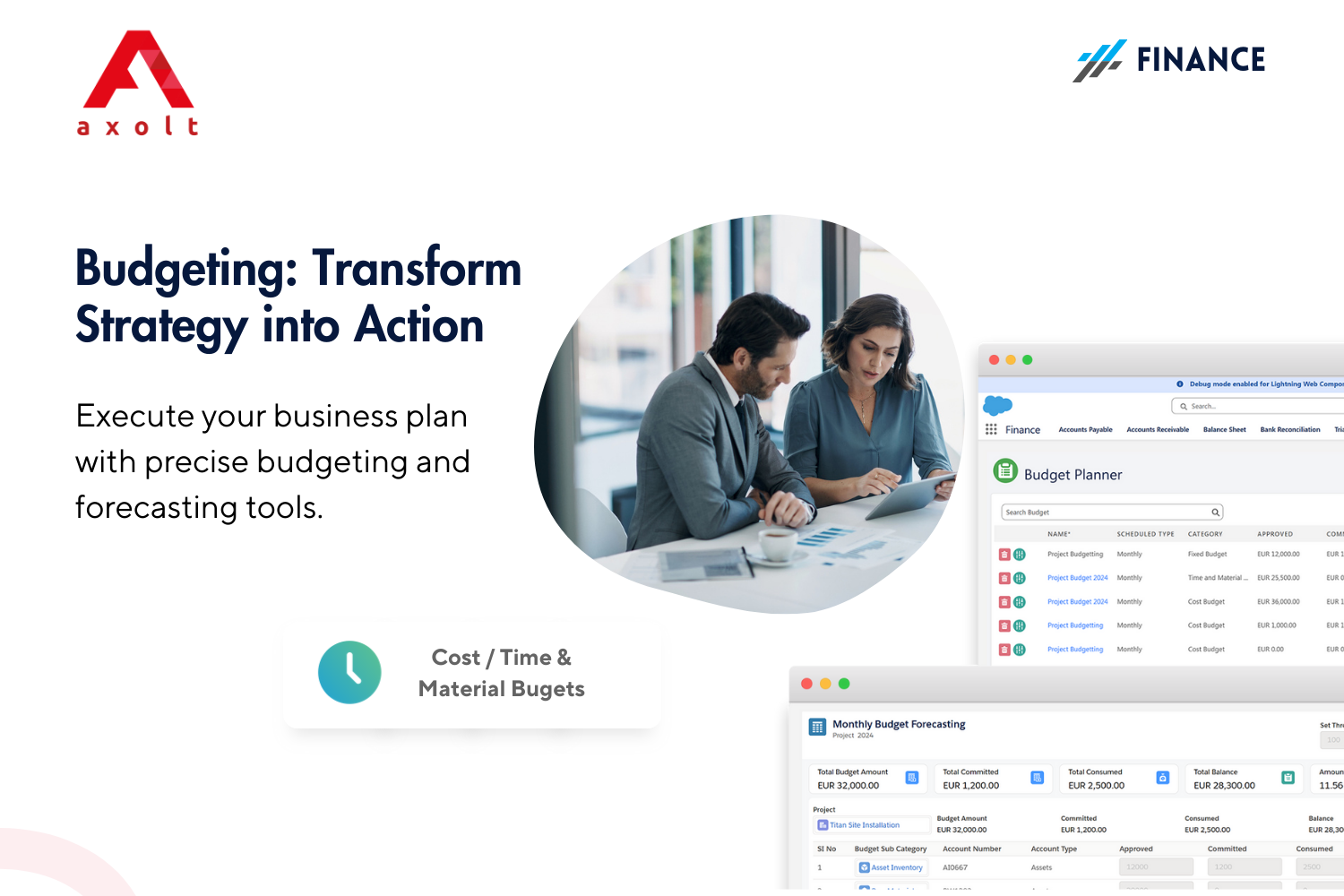
One of Salesforce's greatest strengths lies in its reporting and dashboard capabilities, which transform financial data into actionable intelligence. Custom dashboards can provide real-time visibility into key performance indicators such as days sales outstanding, accounts payable aging, budget utilization, and cash flow projections. Department managers can monitor their spending against allocated budgets, while executives can track overall financial health through summarized metrics. This immediate access to financial information enables proactive decision-making rather than reactive responses to month-end reports, allowing organizations to address issues before they impact performance.
Improving Compliance and Risk Management
Financial operations require robust controls to ensure compliance and mitigate risk. Salesforce provides built-in security features that support these needs through configurable user permissions, field-level security, and audit trails. Organizations can implement approval processes that enforce segregation of duties and require appropriate authorization for financial transactions. The platform's tracking capabilities maintain complete records of every action taken on financial records, providing transparency for internal and external audits. These features help organizations maintain compliance with regulatory requirements while reducing the risk of errors or fraudulent activities.
 ### Streamlining Collaboration Across Departments
Financial operations inevitably involve collaboration between departments, from sales providing customer information for billing to procurement sharing vendor details for payments. Salesforce facilitates this collaboration by providing a shared platform where teams can access relevant information without switching between systems. Sales representatives can check customer payment status before extending additional credit, while project managers can track budget utilization against ongoing initiatives. This cross-functional visibility improves communication, reduces delays, and ensures that financial decisions consider all relevant operational context.
Leveraging AI for Financial Insights
Salesforce's Einstein AI capabilities bring advanced analytics to financial operations, identifying patterns and trends that might escape manual review. AI can predict payment delays based on customer behavior patterns, identify unusual spending that might indicate errors or fraud, and suggest optimal payment timing to maximize cash flow. These intelligent insights enable finance teams to move from processing transactions to providing strategic guidance, helping organizations optimize working capital, improve profitability, and make data-driven financial decisions.